
Entertainment

Tips for Planning Entertainment for Large Children’s Gatherings

Organising a party for a small group of children can be challenging enough, but planning entertainment for a larger gathering brings its own set of considerations. Whether the event is a school celebration, community festival, family fun day or a birthday with a long guest list, keeping everyone engaged requires careful planning.

The right entertainment can help create structure, encourage participation and ensure children of different ages enjoy the experience.

Consider the Size of the Audience

One of the first factors to think about is how many children will be attending. Activities that work well for ten guests may not be suitable for fifty or more.

Large groups often benefit from entertainment that can capture everyone’s attention at once while still creating opportunities for interaction. This helps prevent children from becoming distracted or losing interest while waiting for their turn to participate.

Choosing activities that can scale effectively is often one of the keys to a successful event.

Think About the Age Range
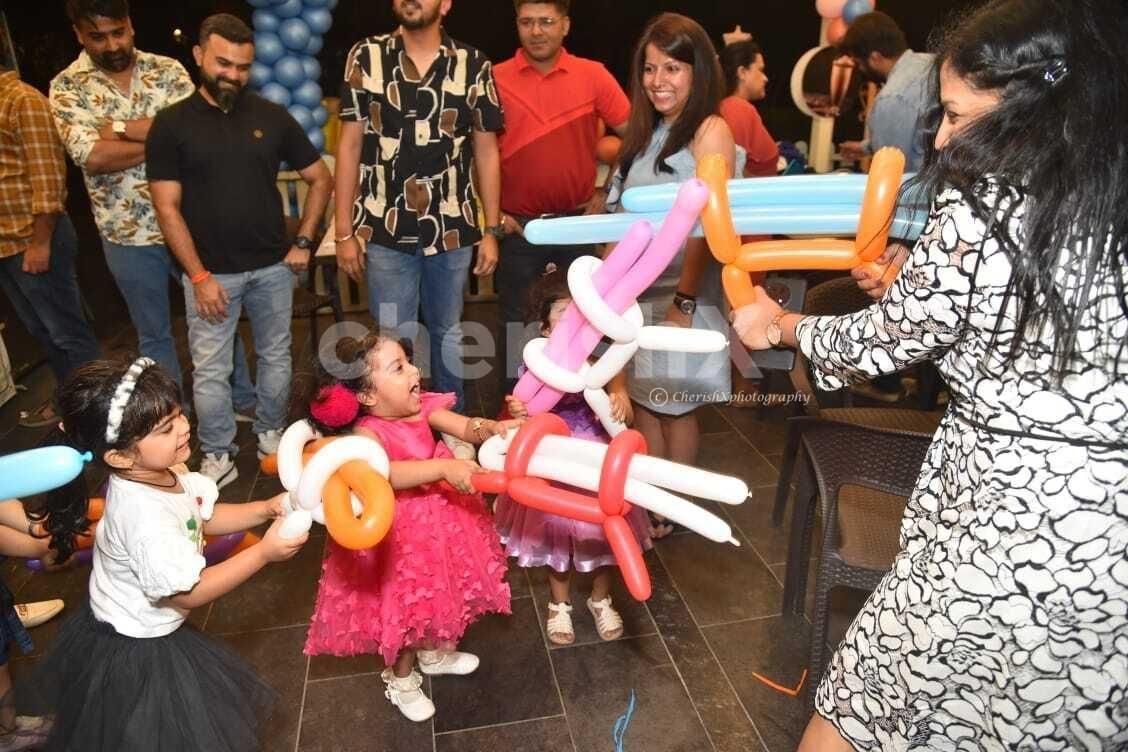
Children Entertainment

Many larger gatherings include children of varying ages. A school fair, community event or family celebration may have toddlers, primary school children and older siblings all attending together.

Finding entertainment that appeals to a broad audience can be difficult, but performers who adapt their material to different age groups often achieve the best results. Activities that combine visual elements, humour and audience participation can help ensure nobody feels left out.

Venue Matters More Than You Might Expect

The venue can have a significant impact on entertainment choices. Indoor halls, outdoor spaces and community centres all present different opportunities and challenges.

Factors such as visibility, sound levels and available space should be considered when planning activities. Entertainment that works brilliantly in a small room may struggle to engage a large audience spread across an outdoor venue.

Understanding the environment ahead of time can help avoid unnecessary complications on the day.

Look for Flexible Entertainment Options

Large events often run more smoothly when organisers choose entertainment that can adapt to changing circumstances. Unexpected weather, delays or schedule changes are common, particularly at community and school events.

Performers with experience working at larger gatherings are often able to adjust their approach while maintaining audience engagement. Many organisers choose options such as games, interactive performances or magicians for children’s events because they can often be tailored to suit different audience sizes and settings.

Flexibility can make a significant difference when managing larger groups of excited children.

Encourage Participation Without Creating Chaos

Participation is important, but it needs to be managed effectively when large numbers of children are involved. Activities should give children opportunities to feel included without creating confusion or excessive waiting times.

Structured audience interaction, team-based activities and carefully managed volunteer opportunities can help maintain order while keeping excitement levels high.

The goal is to ensure children feel involved without the event becoming difficult to manage.

Focus on the Overall Experience

When planning a large gathering, it is easy to become focused on individual details. However, children are often more likely to remember the overall atmosphere than any single activity.

A welcoming environment, engaging entertainment and opportunities to interact with friends can have a lasting impact on how guests remember the occasion.

By choosing suitable entertainment and planning with the audience in mind, organisers can create large-scale children’s events that feel enjoyable, organised and memorable from start to finish.

Shopping

Using Checkout and Counter Space More Effectively in Retail Stores

Counter space is one of the most misused areas in retail. Some stores leave it completely empty, while others overload it with random products that customers barely notice. Neither setup really works.

The counter area should support quick browsing and easy add-on sales without getting in the way of transactions.

Customers Behave Differently at the Counter

Once shoppers reach checkout, they’re no longer browsing the same way they were on the sales floor.

They’re waiting, looking around casually, and making smaller decisions. That’s why products near the counter need a different presentation style than products placed deeper in the store.

Good counter products are usually:

  • smaller items
  • easy to understand quickly
  • low-effort add-ons
  • visually noticeable without explanation

Visibility Matters More Than Quantity

A common mistake is cramming too many products into the counter area.

When everything is packed together, customers stop paying attention. Smaller curated displays usually perform better because products remain easy to scan while waiting.

This is where table top display cases work well. They create separation between products while keeping everything visible in a compact space. Instead of loose items scattered across the counter, the presentation feels cleaner and more intentional.

That structure helps products stand out without taking over the checkout area.

Keep the Counter Functional First

Display Cases

The checkout area still needs to operate efficiently.

If displays interfere with:

  • payment terminals
  • bagging space
  • customer movement
  • staff workflow

then they’re hurting the overall experience no matter how good they look.

Displays should sit alongside the process, not interrupt it.

Smaller Premium Products Perform Better Here

Counter displays are especially useful for products customers may not have planned to buy initially.

Things like:

  • accessories
  • collectible items
  • smaller gift products
  • jewelry pieces
  • specialty add-ons

These products benefit from slower browsing while customers wait.

Clean Presentation Builds Trust

Messy counters make the entire store feel less organized.

Even if the products are good, cluttered checkout areas create visual stress. Cleaner enclosed displays help maintain structure because products stay arranged instead of constantly being handled or moved around.

That consistency matters more than most retailers realize.

Lighting Helps Draw Attention Naturally

Counter displays don’t need aggressive signage if the presentation is already clear.

Basic lighting or strong visibility often does more than promotional messaging. Customers naturally look toward illuminated or visually clean displays while standing at checkout.

Rotate Products Regularly

Items placed near checkout lose effectiveness if they never change.

Regular customers stop noticing them after repeated visits. Rotating products periodically keeps the area active without needing a full redesign.

Even small adjustments:

  • new featured items
  • seasonal products
  • different arrangement styles
    can refresh the space.

What This Comes Down To

The checkout area should do more than process transactions.

When counter space is organized properly, it becomes a controlled browsing zone for smaller products that customers may not have noticed elsewhere in the store. The goal is subtle visibility — not clutter.

Entertainment

Turning Learning Into Play: Creative Ways to Keep Kids Engaged

There’s a funny moment that happens at almost every children’s event I’ve worked around. A parent leans over and whispers something like, “Honestly, I didn’t think they’d pay attention for more than five minutes.” Then, somehow, twenty kids are completely locked in — laughing, shouting answers, waving their hands in the air, and accidentally learning something without realizing it.

That’s the trick, really. Children rarely respond well to lessons that feel like lessons. But wrap knowledge inside excitement, movement, storytelling, or silliness? Different story entirely.

The best activities for children usually live somewhere between chaos and curiosity.

Why Kids Learn Faster When They’re Having Fun

Most adults remember the boring classroom moments. Fewer remember worksheets. But people do remember experiences.

A child who gets involved in an interactive treasure hunt about dinosaurs, space, or wildlife will often retain far more information than they would from simply reading facts on a page. There’s something about participation that makes information “stick.”

I remember helping at a community event years ago where a performer mixed magic tricks with simple science experiments. The children were absolutely convinced they were just watching entertainment. Meanwhile, they were learning about reactions, gravity, and basic problem-solving without even noticing.

That blend of excitement and discovery is why many schools and parents have started looking into more creative forms of educational kids entertainment for birthdays, workshops, and school fairs.

And honestly? It works better than people expect.

Interactive Activities Beat Passive Screen Time

Kids today spend an incredible amount of time staring at screens. Tablets. YouTube. Games. Phones borrowed from parents at restaurants. It’s become normal.

But interactive experiences still hit differently.

Activities where children physically participate — whether that’s roleplay, games, building challenges, music, or themed storytelling — tend to create stronger emotional engagement. Even shy children often come out of their shell once an activity becomes playful rather than instructional.

One thing I’ve noticed is that movement matters too. If children are standing up, reacting, laughing, and talking to each other, the energy shifts completely. Compare that to sitting silently and listening for long periods. Not even adults enjoy that.

Themes Make Learning Feel Natural

One of the smartest ways to hold a child’s attention is by using themes they already love.

Space missions can become teamwork exercises. Pirate adventures can involve problem-solving clues. Jungle themes can introduce animal facts. Cooking activities sneak in maths skills without children realizing they’re counting or measuring.

The educational element doesn’t always need to dominate the activity either. Sometimes subtle learning works best.

A party or event can still feel exciting first and educational second.

That balance matters because children instantly sense when something feels forced.

Creativity Often Matters More Than Budget

Parents sometimes assume they need elaborate setups or expensive equipment to create meaningful activities. In reality, imagination usually wins.

Simple storytelling games, DIY obstacle courses, interactive quizzes, scavenger hunts, and performance-based activities can be surprisingly effective. Kids care far more about energy and engagement than perfection.

I once saw a room full of children spend nearly forty minutes completely entertained by a cardboard “rocket ship” covered in foil and stickers. Meanwhile, there were expensive toys sitting untouched nearby.

That taught me something valuable: enthusiasm is contagious.

The Lasting Impact of Meaningful Entertainment

The best children’s activities don’t just fill time. They create memories.

Years later, kids often remember the magician who made them part of the show, the science challenge they won, or the hilarious group game that had everyone laughing uncontrollably. Those moments stick because they combine emotion with experience.

And in a strange way, that’s where real learning happens.

Not through pressure. Not through lectures.

Through curiosity, excitement, and participation.

That’s why blending education with entertainment continues growing in popularity among parents, schools, and event organisers alike. When children are genuinely engaged, learning stops feeling like work — and starts feeling like adventure.

Entertainment

Children’s Party Entertainer For Unforgettable Celebrations

Planning a children’s party can be a delightful yet challenging experience. From choosing the perfect theme to managing excited little guests, every detail counts. One way to ensure a truly memorable event is by hiring a professional children’s party entertainer. With their energy, creativity, and expertise, these entertainers can transform any celebration into an unforgettable experience.

Why Hire a Children’s Party Entertainer?

A children’s party entertainer brings more than just fun they bring magic, laughter, and seamless organization. Here’s why they are essential:

  • Engaging Activities: Skilled entertainers know how to capture the attention of children of all ages through interactive games, storytelling, and performances.
  • Stress-Free Hosting: Parents can relax and enjoy the party while the entertainer keeps the children engaged and happy.
  • Creative Themes: From superheroes to fairytale adventures, entertainers adapt their acts to match the chosen party theme, creating a cohesive and immersive experience.
  • Memorable Moments: Unique performances, tricks, and shows ensure children leave with lasting memories, making the celebration truly special.

Popular Types of Children’s Party Entertainment

Children's Party

Different types of entertainment cater to various interests, ensuring every child has a great time. Parents trust a professional children’s party entertainer to deliver exciting activities and joyful memories for every child. Some popular options include:

  • Magicians and Illusionists: Captivate young minds with jaw-dropping tricks and illusions.
  • Clowns and Comedy Acts: Fill the party with laughter, silliness, and interactive fun.
  • Face Painters and Balloon Artists: Add creativity and color, leaving children with delightful souvenirs.
  • Themed Performances: Dance routines, puppet shows, and character appearances tailored to your party theme.

Tips to Maximize the Party Experience

To ensure your celebration is smooth and enjoyable, consider these tips:

  • Plan Early: Booking an entertainer in advance guarantees availability and allows for customization.
  • Communicate Clearly: Share the party’s theme, guest ages, and any special requests to help the entertainer prepare.
  • Create a Comfortable Space: Ensure there’s enough room for performances and activities, keeping children safe and engaged.
  • Involve the Children: Encourage participation in games and activities to enhance their experience.

The Lasting Impact of Professional Entertainment

Children’s party entertainers do more than fill time they create an atmosphere of joy and excitement. With their professional skills, they not only entertain but also inspire imagination, social interaction, and confidence among young guests. A well-executed performance ensures that both children and adults leave with smiles, laughter, and cherished memories.

Hiring a children’s party entertainer is an investment in happiness and seamless celebration. Their expertise turns ordinary gatherings into extraordinary experiences, leaving a lasting impression on every child and parent alike. By choosing the right entertainer and planning thoughtfully, you can create a magical party that will be remembered for years to come.