
Browse Top-Quality Isopods for Sale – Great for Reptile Tanks and Hobbyists

Isopods have become increasingly popular among reptile enthusiasts and hobbyists due to their unique characteristics and numerous benefits. These small crustaceans, often referred to as nature’s clean-up crew, play a vital role in maintaining a healthy ecosystem within reptile tanks and vivarium. Their ability to break down organic matter such as decaying leaves, uneaten food, and shed skin makes them invaluable for keeping the habitat clean and reducing harmful bacteria growth. This natural recycling process helps maintain a balanced environment, promoting the overall well-being of the reptiles and other inhabitants. When considering isopods for reptile tanks, quality and species variety are key factors. High-quality isopods are typically bred and raised in controlled conditions, ensuring they are healthy, free from parasites, and capable of thriving in various environments. Many hobbyists look for species that are hardy and adaptable, able to withstand a range of humidity and temperature levels commonly found in reptile enclosures. These resilient isopods are not only effective cleaners but also serve as an occasional food source for some reptiles, adding nutritional variety to their diet.
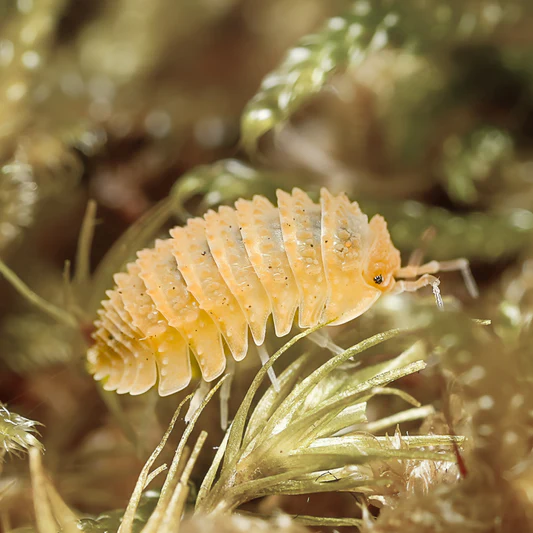
Some of the most sought-after varieties include the common dwarf white isopods, known for their small size and rapid breeding capabilities, as well as more exotic species that feature striking colors or patterns. The choice of species can depend on the specific needs of the reptile tank, as well as the aesthetic preferences of the hobbyist. For instance, some species excel in moist, tropical environments, while others are better suited to drier conditions. Selecting the right isopods ensures that they not only survive but also effectively contribute to the ecosystem. In addition to their functional benefits, isopods are fascinating creatures to observe. They exhibit interesting behaviors such as burrowing, clustering, and interacting with their environment in ways that can add a dynamic element to the enclosure. For hobbyists who enjoy creating naturalistic setups, incorporating isopods adds an extra layer of life and activity that enhances the overall experience. Their presence mimics the natural food web and decomposition process found in wild habitats, making the enclosure more authentic and educational.
The Postpods require a substrate rich in organic material, proper humidity, occasional feeding of supplemental nutrients like leaf litter or vegetable scraps. Because they reproduce quickly, a small starter colony can grow substantially in a short period, providing a sustainable clean-up crew. This self-sustaining population reduces the need for frequent tank maintenance and offers long-term benefits to the health of the enclosure. Isopods also appeal to those who enjoy the hobby of breeding and raising invertebrates. Their fast reproductive cycles and manageable care requirements make them an ideal species for beginners and experienced keepers alike. Breeding different species or morphs can be a rewarding challenge, and sharing or trading isopods within the community fosters a sense of connection among hobbyists. These small creatures bring significant advantages, from natural waste management to enriching the habitat’s biodiversity. Their ease of care and intriguing behaviors make them an excellent addition for both practical and aesthetic reasons.